

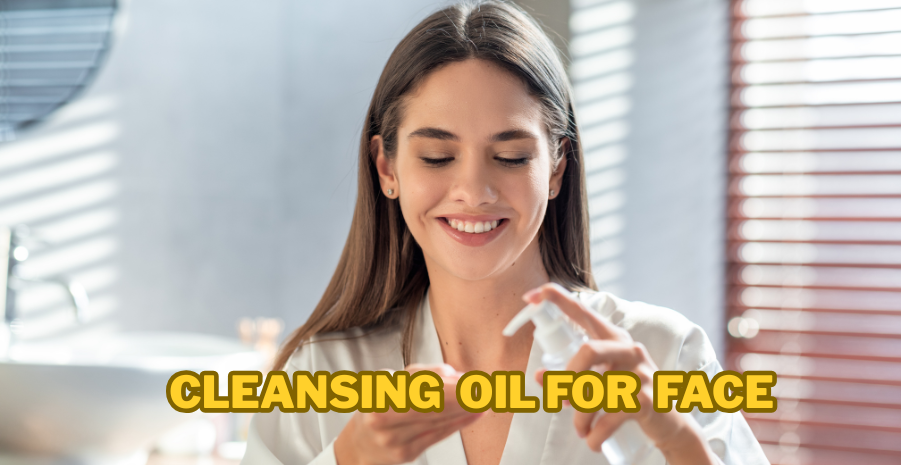
Cleansing Oil for Face
The popularity of cleansing oil for face has grown immensely in recent years, becoming a staple in skincare routines worldwide. This versatile product is designed to gently dissolve makeup, sunscreen, and impurities without stripping the skin of its natural moisture. Unlike foaming cleansers that can leave skin tight and dehydrated, cleansing oils nourish and hydrate while cleansing, making them a perfect choice for all skin types, from oily to dry and even sensitive skin.
What sets cleansing oils apart is their unique ability to bind with excess sebum and dirt, lifting them away effortlessly when rinsed or emulsified with water. Many modern formulations are enriched with botanical extracts, vitamins, and essential oils, offering added skincare benefits beyond cleansing. Whether you wear heavy makeup daily or simply want a thorough yet gentle cleanse, a quality cleansing oil can leave your face fresh, soft, and glowing.
| Category | Details |
|---|---|
| Type | Cleansing Oil for Face |
| Texture | Lightweight, silky oil |
| Primary Function | Removes makeup, dirt, and sunscreen |
| Suitable Skin Types | All skin types, including sensitive |
| Key Ingredients | Jojoba oil, argan oil, sunflower seed oil |
| Secondary Benefits | Hydration, nourishment |
| Finish | Soft, non-greasy |
| Best Use | Evening skincare routine |
| Application Method | Massage on dry skin, then emulsify with water |
| Makeup Removal Power | High, including waterproof makeup |
| Additional Features | Often contains antioxidants and vitamins |
| Packaging | Pump bottle or squeeze tube |
| Shelf Life | 6–12 months after opening |
| Compatibility | Safe for double cleansing routines |
| Skin Barrier Support | Helps maintain moisture and elasticity |
The Truth About Cleansing Oil for Face
Cleansing oil for face is not just a makeup remover—it’s a skincare treatment in itself. Its oil-based formula works on the principle of “like dissolves like,” meaning it can break down the excess oils and debris that water-based cleansers may miss. By massaging it into dry skin, it gently lifts away impurities without harsh scrubbing, making it perfect for sensitive or acne-prone skin types.
Another major advantage is that cleansing oils often contain skin-loving nutrients. Oils like olive, grapeseed, and camellia seed are packed with antioxidants, vitamins A and E, and essential fatty acids that nourish the skin while cleansing. This means you’re not only cleaning your skin but also giving it an extra layer of care, resulting in a radiant, balanced complexion.
Benefits of Using Cleansing Oil
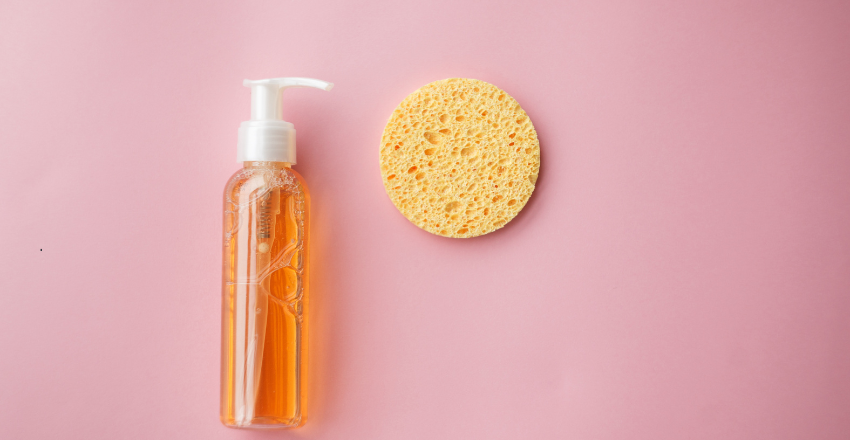
- Effectively removes waterproof makeup
- Maintains skin’s natural moisture barrier
- Suitable for all skin types, even oily skin
- Reduces the need for harsh scrubbing
- Can be used as part of a double-cleansing routine
How to Use Cleansing Oil Effectively?
Using cleansing oil is straightforward yet crucial for optimal results. Begin by dispensing 2–3 pumps into dry palms and gently massaging onto a dry face. Pay special attention to makeup-heavy areas like the eyes and lips. Then, add a bit of water to emulsify the oil, transforming it into a milky consistency. Finish by rinsing thoroughly and using a gentle water-based cleanser for a thorough clean.
Best Ingredients to Look For in Cleansing Oil
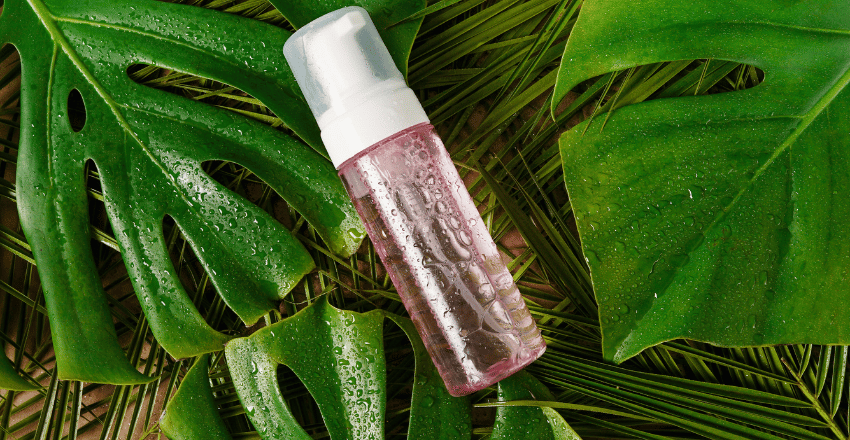
- Jojoba Oil – Balances oil production
- Argan Oil – Rich in vitamin E for hydration
- Camellia Oil – Lightweight and non-greasy
- Sunflower Seed Oil – Soothes sensitive skin
- Olive Oil – Antioxidant-rich and deeply nourishing
Common Myths About Cleansing Oils
Many people believe cleansing oils clog pores or cause breakouts, but high-quality formulations are non-comedogenic and designed to be rinsed away completely. Another myth is that they’re only for dry skin—when in fact, they can regulate excess oil in oily skin types.
When to Use Cleansing Oil in Your Routine?
- Evening: Ideal for removing makeup and daily grime
- After Sunscreen: Perfect for breaking down stubborn SPF layers
- Before a Face Mask: Prepares the skin for deeper treatment
Double Cleansing with Cleansing Oil
Double cleansing involves using a cleansing oil first to remove makeup and impurities, followed by a gentle water-based cleanser to wash away any residue. This method ensures a completely clean canvas for your skincare products to absorb better.
Mistakes to Avoid When Using Cleansing Oil
- Applying it on wet skin rather than dry skin.
- Skipping the emulsification step
- Not rinsing thoroughly
- Using oils not intended for skincare
Top 5 Cleansing Oils Loved by Skincare Experts

- DHC Deep Cleansing Oil
- Shu Uemura Ultime8 Sublime Beauty Cleansing Oil
- Kose Softymo Speedy Cleansing Oil
- The Face Shop Rice Water Bright Light Cleansing Oil
- Burt’s Bees Facial Cleanser Oil
Why Oily Skin Types Should Not Fear Cleansing Oils?
Oily skin types often shy away from adding more oil, but cleansing oils can help balance sebum levels. By removing excess oil and impurities gently, the skin produces less oil over time.
Cleansing Oil vs. Micellar Water

While micellar water is convenient for quick cleansing, it may not remove heavy makeup or sunscreen as effectively as cleansing oil. Cleansing oils provide a deeper, more nourishing clean without requiring cotton pads.
Selecting the appropriate cleansing oil
- Dry Skin: Look for richer oils like avocado or olive
- Oily Skin: Choose lightweight, non-comedogenic oils like grapeseed
- Sensitive Skin: Go for fragrance-free, soothing formulations
Conclusion
Cleansing oil for face is a game-changer in skincare, offering a perfect balance between deep cleansing and skin nourishment. Its ability to melt away stubborn makeup, dirt, and excess sebum without stripping the skin makes it a must-have in every beauty routine. When used correctly, it not only cleanses but also enhances skin texture and hydration.
Whether you choose to use it as a standalone cleanser or as part of a double-cleansing method, the results are consistently satisfying. With the right product suited to your skin type, you can achieve a radiant, healthy complexion while enjoying the relaxing ritual of facial cleansing.
Want to know about “Little Mermaid Makeup: Prepping The Skin, Eye Makeup Ideas” Check out our “Fashion” category.
FAQs
Corals, blues, purples, teals, and glistening silvers.
Yes, but the enchanted, ocean-inspired look is enhanced by glitter.
Moisturiser and illuminating primer to produce a dewy, glowing finish.
Mesh fabric or fishnet tights make excellent stencils.
It’s more appropriate for themed events, cosplay, and parties than for everyday wear.

