Maintaining flexibility and mobility is essential for overall health, especially for areas like the lower back, hips, calves, traps, and abdomen. Stretching not only reduces stiffness and pain but also improves posture, circulation, and athletic performance.
Learning how to stretch lower back muscles correctly also supports better movement in the entire body, as these muscle groups work together to maintain balance and stability.
This comprehensive guide will walk you through effective standing and seated stretches targeting these key muscle groups, helping you understand how to stretch lower back safely while improving comfort, flexibility, and overall mobility.
| Muscle Group | Purpose | Key Benefits | Stretch Types |
| How to Stretch the Lower Back | Supports spine and posture | Reduces stiffness, relieves pain, improves mobility | Standing & Seated |
| Hips | Connect the lower body to the spine | Improves flexibility, reduces lower back strain | Standing & Seated |
| Calves | Aid walking and posture | Enhances ankle mobility, reduces back stress | Standing & Seated |
| Trapezius (Traps) | Support neck and shoulders | Relieves tension, reduces neck and shoulder pain | Standing & Seated |
| Abdomen | Stabilizes spine | Improves posture, reduces lower back strain | Standing & Seated |
How to Stretch Your Lower Back

Learning how to stretch lower back muscles properly is essential for maintaining flexibility, reducing pain, and supporting overall body movement. The lower back works closely with the hips, calves, trapezius, and abdominal muscles, forming a connected system that supports posture, balance, and daily activities.
When any of these areas become tight or weak, it can lead to stiffness, discomfort, and limited mobility. Understanding How to Stretch Lower Back muscles, along with the hips, calves, trapezius, and abdome,n is essential for maintaining long-term mobility, comfort, and spinal health.
Importance of Stretching the Lower Back
- Reduces muscle tightness and stiffness in the lower back
- Improves spinal flexibility and range of motion
- Alleviates chronic back pain
- Enhances circulation and nutrient flow to spinal tissues
- Supports proper posture and alignment
This keeps the points concise and highlights the benefits of learning how to stretch lower back effectively.
Hip Stretches
Stretching the hip muscles regularly can improve flexibility, reduce tension, and enhance movement patterns.
Standing Hip Stretches
- Standing Hip Flexor Stretch: Step one foot back, bend the front knee, keep your torso upright, and gently press your hips forward. Hold for 20–30 seconds on each side.
- Figure 4 Standing Stretch: Cross one ankle over the opposite knee while balancing on the standing leg. Sit with your hips back as if sitting in a chair. Hold 20–30 seconds per side.
Seated Hip Stretches
- Seated Figure-4 Stretch: Sit tall, cross one ankle over the opposite knee, and hinge forward from the hips. Hold for 20–30 seconds on each side.
- Seated Butterfly Stretch: Place the soles of your feet together, knees out, and gently press thighs toward the floor. Hold for 20–30 seconds.
Calf Stretches
- Calves support walking, running, and posture
- Tight calf muscles can affect ankle mobility
- Limited ankle movement can place extra strain on the lower back
- Regular calf stretching helps reduce tension throughout the lower body
Standing Calf Stretches
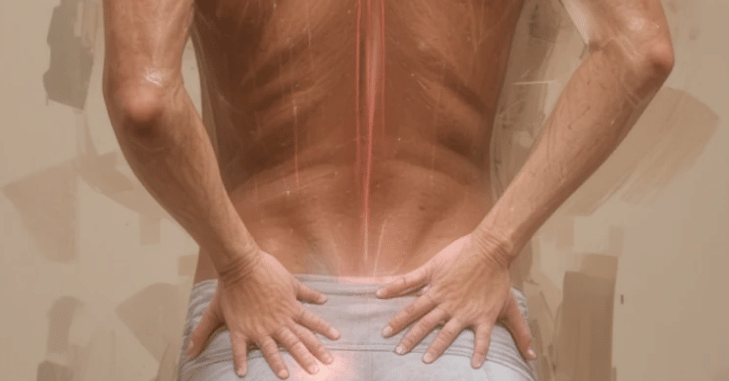
Wall Calf Stretch
- Place your hands on a wall
- Hold for 20–30 seconds per side
Stair Calf Stretch
- Stand on a stair or step
- Let heels gently drop below the edge
- Keep balance while lowering heels slowly
- Hold for 20–30 seconds
Seated Towel Stretch
- Sit with legs extended straight
- Loop a towel around the ball of your foot
- Gently pull toes toward your body
- Hold for 20–30 seconds per foot
Seated Ankle Pumps
- Sit comfortably with legs extended
- Flex your toes upward, then point them downward
- Repeat the movement several times
- Helps warm up and stretch calf muscles
Trapezius Stretches
The trapezius muscles, commonly known as the traps, often hold stress caused by long hours of desk work, heavy lifting, or poor posture. Tight traps can contribute tto o neck stiffness, shoulder discomfort, and tension that radiates the spine.
Learning how to stretch lower back effectively also involves relaxing the upper back and shoulder muscles, as the body works as a connected system. Standing trap stretches are an easy way to relieve built-up tension throughout the upper body.
A gentle neck side stretch can be performed by tilting your head toward one shoulder while keeping the shoulders relaxed and down, holding the position for 20–30 seconds on each side.
Abdominal Stretches
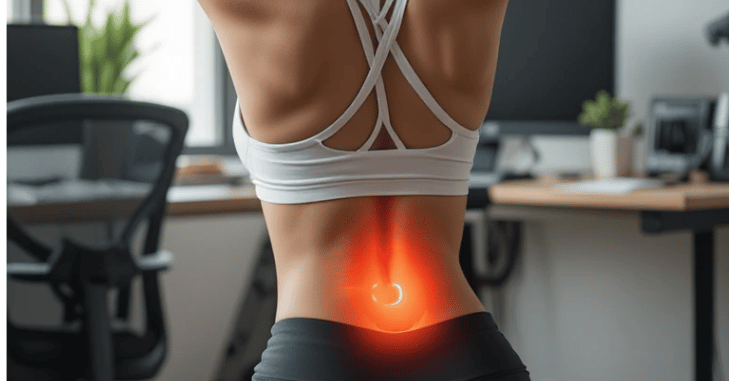
Abdominal Stretching for Spinal Support
Strong and flexible abdominal muscles play a key role in supporting the spine and maintaining proper posture. When the abdominal muscles are tight or weak, they can increase strain on the lower back. Incorporating regular abdominal stretches helps lengthen these muscles, improve mobility, and reduce pressure on the spine.
Standing Abdominal Stretches
Standing abdominal stretches are effective for opening the front of the body and relieving tension after long periods of sitting. A standing side stretch is performed by raising one arm overhead and gently leaning to the opposite side, creating a stretch along the side of the abdomen.
Holding this position for 20–30 seconds on each side improves flexibility and balance. Another helpful movement is the standing back extension, where you place your hands on your lower back and gently arch backward without forcing the spine. Holding for 10–15 seconds helps counteract forward-hunched posture and supports spinal alignment.
Seated Abdominal Stretches
Seated abdominal stretches are ideal for controlled, gentle mobility. The seated cat-cow stretch involves sitting tall and slowly rounding the back (cat), then arching the spine forward. Repeating this movement for 5–10 cycles helps mobilize the spine and stretch the abdominal muscles.
Lower Back Stretches
The lower back is particularly prone to stiffness and pain, especially after sitting or standing for long periods. Incorporating targeted stretches helps maintain mobility.
Standing Lower Back Stretches
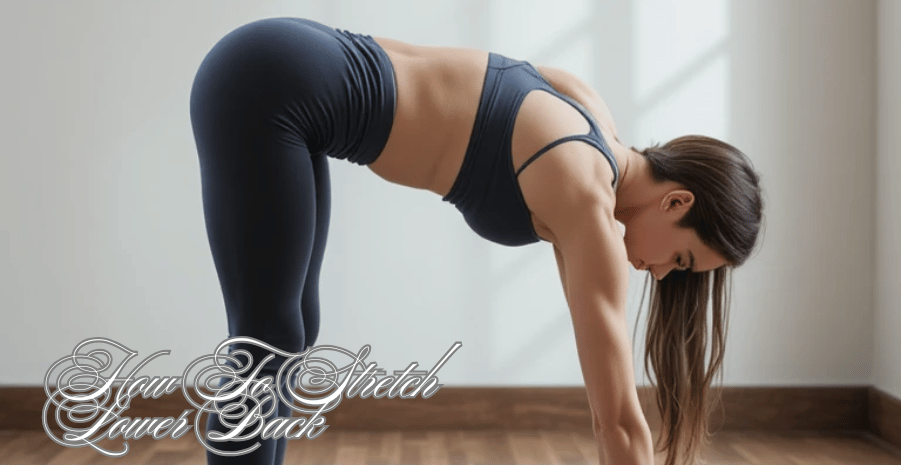
- Standing Forward Fold: With feet hip-width apart, hinge at the hips and reach toward the floor. Hold 20–30 seconds.
- Standing Lumbar Twist: Place your hands on your hips, and gently rotate your upper body side to side. Hold 10–15 seconds per twist.
Seated Lower Back Stretches
- Seated Spinal Twist: Sit tall, cross one leg over the other, and gently twist toward the crossed leg. Hold 20–30 seconds per side.
- Seated Knee-to-Chest Stretch: Bring one knee toward your chest while seated and hug it gently. Hold 20–30 seconds per side.
Tips for Safe and Effective Stretching
- Warm Up First: Engage in light movement like walking or marching in place before stretching.
- Breathe Deeply: Inhale and exhale slowly during each stretch.
- Avoid Bouncing: Use slow, controlled movements to prevent injury.
- Listen to Your Body: Stretch to a point of mild tension, not pain.
- Consistency is key: Stretching daily or at least 3–4 times per week improves flexibility over time.
- Hold Each Stretch: 20–30 seconds is ideal for most static stretches.
- Focus on Posture: Keep your spine neutral and shoulders relaxed during stretches.
Benefits of Regular Stretching
- Increases flexibility and range of motion
- Reduces muscle tension and soreness
- Enhances blood circulation
- Improves posture and alignment
- Prevents injuries and relieves chronic pain
- Supports relaxation and stress reduction
Conclusion
A consistent stretching routine that combines both standing and seated exercises helps reduce muscle tension, improve flexibility, and support proper posture throughout the day. By practicing safe techniques, focusing on breathing, and listening to your body, you can prevent stiffness and lower the risk of pain or injury.
Whether you are managing daily discomfort or simply aiming to move better, learning how to Stretch lower back effectively creates a strong foundation for a healthier, more active lifestyle.
Want to know about Why Does It Feel Like My Pill Is Stuck in My Throat? A Comprehensive Guide to Stomach, Esophageal, and Chest Causes Check out our Health category.
FAQs
Bend your knees and place your feet flat on the ground while lying on your back (A). Pull your lower back up and away from the floor by contracting your abdominal muscles (B).
Regular stretching exercises can help maintain your posture, strengthen your back and abdominal muscles, and increase your flexibility when you have lower back discomfort.
It can take a lot of time to stretch. However, stretching frequently, at least two or three times a week, will yield the most results.
Tight muscles can occasionally be the result of lower back injuries.