


Robert Conrad was an American actor, singer, and stunt performer best remembered as James T. West in The Wild Wild West. He also starred in Hawaiian Eye and Baa Baa Black Sheep, built a reputation for dangerous stunt work, recorded pop music, and became an enduring face of classic American television.
The Chicago-born performer built a career around confidence, physical action, and characters who rarely backed away from danger. His television work stretched from the late 1950s into later decades, while music, directing, commercials, and radio added other chapters to his public life. For many viewers, though, his defining image remains the sharply dressed secret agent who could outfight a villain and still look composed afterward.
Who Was Robert Conrad?
Conrad was born in Chicago, Illinois, on March 1, 1935, and died in Malibu, California, on February 8, 2020. He worked as an actor, singer, stunt performer, director, and television personality during a career that became closely tied to American action television. His best-known parts included Tom Lopaka, James T. West, and World War II aviator Gregory “Pappy” Boyington.
| Robert Conrad | Details |
| Born | March 1, 1935, in Chicago, Illinois |
| Died | February 8, 2020, in Malibu, California |
| Age at death | 84 |
| Best-known role | James T. West in The Wild Wild West |
| Other major series | Hawaiian Eye and Baa Baa Black Sheep |
| Other work | Singer, stunt performer, director, radio host |
| Children | Eight |
| Major recognition | 1978 Golden Globe nomination for Baa Baa Black Sheep |
His life also makes the familiar “overnight success” story look much less simple. Before Hollywood, he held ordinary jobs, sang professionally, and worked his way toward larger television opportunities rather than beginning as an established star. That long climb pairs naturally with ReadsNWrite’s examination of Scott Grimes.
From Chicago Jobs to Hawaiian Eye
Before his television career took off, the future actor loaded trucks, drove milk wagons, tried boxing, and performed as a nightclub singer. He eventually headed to Hollywood and gained small film and television parts before Warner Bros. gave him a larger opportunity. That breakthrough came with private investigator Tom Lopaka on ABC’s Hawaiian Eye, which ran from 1959 to 1963.
The series made him recognizable to a national audience and established the screen traits that followed him for years. He was young, athletic, confident, and suited to roles where charm and physical action mattered in equal measure. By the time Hawaiian Eye ended, he had the visibility needed to compete for a role that would define the rest of his career.
Why The Wild Wild West Made Him a Television Icon
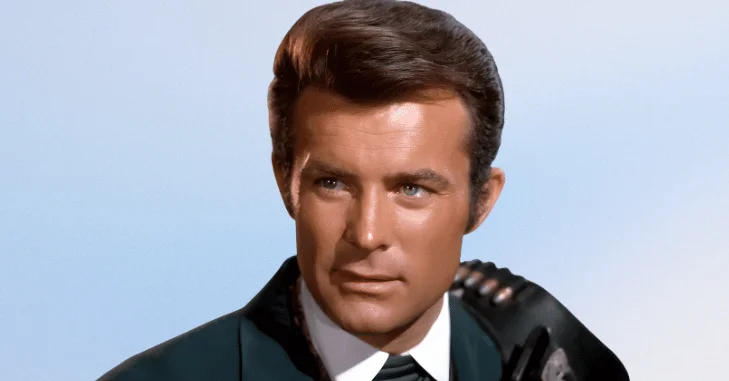
CBS cast Conrad as Secret Service agent James T. West in The Wild Wild West, which premiered in 1965. The show mixed Western settings with espionage, unusual technology, elaborate villains, comedy, and frequent fight scenes. Ross Martin co-starred as Artemus Gordon, a master of disguise whose partnership with West became one of the series’ strengths.
The role fit Conrad’s physical approach to acting because he preferred to take part in the action instead of handing every difficult sequence to a double. In his Television Academy interview, he discussed learning stunt work and performing much of it himself. That involvement made the fights feel unusually immediate for weekly television, although it also carried serious consequences.
The stunt accident that changed his work
One of the most serious accidents happened in 1968 while filming a sequence involving a chandelier. He fell onto the stage floor and suffered a skull fracture and a severe concussion, leading to hospitalization and a lengthy recovery. After the accident, the production relied more heavily on stunt doubles for higher-risk sequences, although he continued participating in fight scenes.
That episode helps explain why his tough-guy image survived long after the series ended. The persona was not created only by scripts, costumes, or publicity photographs because physical performance was central to the way he approached the part. Modern viewers can appreciate that commitment while also recognizing why current productions use stricter stunt planning and safety practices.
Baa Baa Black Sheep Gave Him Another Signature Role
A decade after James West, Conrad returned to a major series role as Marine Corps fighter ace Gregory “Pappy” Boyington in Baa Baa Black Sheep. The World War II drama premiered in 1976 and was later known as Black Sheep Squadron. His performance earned a 1978 Golden Globe nomination for Best Performance by an Actor in a Television Series, Drama.
The role gave him another character built around command, physical confidence, and defiance, but the setting was far removed from the exaggerated inventions of his famous Western. He even learned to fly, a detail that fit his preference for becoming physically involved in whatever a role demanded. His other notable work during this period included the acclaimed television miniseries Centennial.
Music, Eveready Commercials, and a Bigger Public Persona
Acting was not his only route into entertainment. Under the name Bob Conrad, he recorded pop material in the early 1960s, including “Bye Bye Baby,” which appeared in contemporary music-industry coverage and reached Billboard’s extended chart rankings. His recording career never displaced television, but it shows that the polished leading man audiences saw on screen had begun with serious musical ambitions.
His television commercials became another part of his legacy, especially the Eveready battery campaign. In the famous spots, he placed a battery on his shoulder and challenged the audience to knock it off. The line, “I dare you to knock this off,” became the campaign’s signature. That campaign turned his established television toughness into an advertising joke, making it a natural example alongside ReadsNWrite’s guide to Robert Iler.
He also remained visible through later television and film appearances rather than disappearing when his biggest series ended. His credits included High Mountain Rangers, High Sierra Search and Rescue, and a supporting appearance in the 1996 holiday film Jingle All the Way. In later years, he also hosted a national radio program, giving longtime fans another way to hear from him.
Wives, Eight Children, and a Family That Sometimes Joined the Work
The actor married twice and had eight children. He and his first wife, Joan, had five children before their marriage ended in 1977, while his second marriage to LaVelda Fann produced three more children. Several members of the family later became involved in his television projects, both in front of the camera and behind it.
His sons Shane and Christian appeared with him, while daughters Nancy and Joan also worked on productions connected with their father. That overlap between home and television made his family unusually visible within portions of his later career. It also provides a useful counterpoint to celebrity coverage that focuses only on ratings and roles, since ReadsNWrite’s discussion of relationships and the everyday things connected with happiness emphasizes a broader view of personal life.
Later Years and Death
Conrad remained a familiar figure to classic-TV audiences even as his acting schedule slowed. Reruns preserved The Wild Wild West, while interviews and fan appearances allowed him to discuss the physical risks, personalities, and production stories behind his best-known work. His extensive Television Academy interview is especially useful because it lets the actor describe those experiences in his own words.
He died of heart failure at his Malibu home on February 8, 2020, at age 84. Contemporary reports said he was survived by eight children and 18 grandchildren. His death led to renewed attention for a career that had covered detective television, Western adventure, war drama, stunt work, music, advertising, directing, and radio.
Why His Career Still Stands Out
Conrad belongs to a period when television stars were often expected to maintain a sharply defined public persona. In his case, confidence and toughness connected his fictional characters, athletic appearances, commercials, and interviews. The difference is that his willingness to perform difficult physical work gave that image a degree of substance beyond marketing.
His strongest television roles also covered three distinct styles of American adventure programming. Hawaiian Eye offered polished detective entertainment, The Wild Wild West combined the Western with spy fantasy, and Baa Baa Black Sheep moved into military drama. Together, those shows explain why his name remains familiar to viewers exploring American television from the 1950s through the 1970s.
For a first look at his work, start with several episodes of The Wild Wild West before moving to Hawaiian Eye and Baa Baa Black Sheep. Watching the three in that order makes the development of his screen persona easy to see. After that, his Television Academy interview provides valuable first-person context on how those shows were made.
FAQ About Robert Conrad
He was best known for playing Secret Service agent James T. West in CBS’s The Wild Wild West. The role combined Western adventure, espionage, elaborate gadgets, comedy, and extensive stunt work. He was also strongly associated with Hawaiian Eye and Baa Baa Black Sheep.
Yes, he performed many of his own fights and stunts, especially during The Wild West. A serious 1968 fall caused a skull fracture and concussion, illustrating the risks involved. The production later placed greater limits on his participation in dangerous high-level stunts.
He had eight children from his two marriages. Five were from his marriage to Joan, while three were from his second marriage to LaVelda Fann. Several of his children later worked with him on television productions.
No authoritative public estate record establishes a definitive figure, so celebrity net-worth numbers should be treated as estimates. Celebrity Net Worth has published a $10 million estimate, while other biography sites have reported substantially different figures. The disagreement is a good reason not to present any single online estimate as verified wealth.

