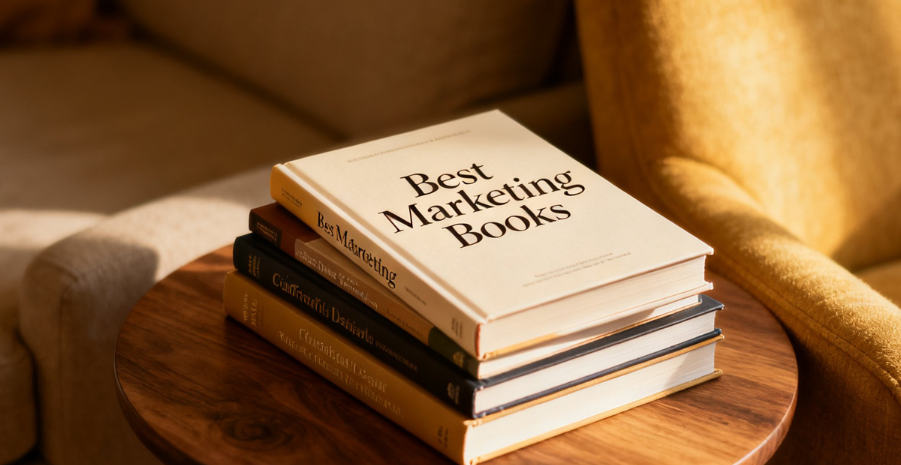
In an increasingly competitive and fast-changing business environment, gaining a deep understanding of marketing principles is essential for long-term success. Reading the Best Marketing Books offers marketers, entrepreneurs, and students valuable insights into consumer behavior, branding, digital trends, and strategic thinking. On the luck-versus-effort question, the real origin of “the harder I work, the luckier I get” traces to a 1922 aphorism collection rather than to Thomas Jefferson.
These books combine theory with real-world case studies, helping readers develop practical skills, stay current with industry innovations, and build effective marketing strategies. Whether you are just starting your marketing journey or looking to refine your expertise, exploring the best marketing books can serve as a powerful tool for professional growth and informed decision-making.
| Category | Description |
| Purpose of Marketing Books | Provide knowledge, strategies, and real-world insights into marketing practices |
| Importance of Reading | Enhances skills, keeps marketers updated, inspires innovation |
| Key Learning Areas | Consumer behavior, branding, content marketing, persuasion, strategy |
| Best for Beginners | Foundational marketing principles and psychological concepts |
| Brand Building Focus | Storytelling, positioning, differentiation, brand growth |
| Skill Development Areas | Market research, data analysis, communication, branding |
| Influence on Career Growth | Improves decision-making, creativity, and professional competence |
| Additional Learning Resources | Online courses, blogs, podcasts, webinars, conferences |
| Recommended Authors | Seth Godin, Al Ries, Robert Cialdini, Jonah Berger |
| Overall Benefit | Stronger marketing knowledge and long-term professional success |
Best Marketing Books

In the rapidly evolving landscape of business, effective marketing remains a cornerstone of success. Reading best marketing books can provide invaluable insights into fundamental principles, emerging trends, and practical strategies that help marketers navigate this dynamic field.
Why Reading Marketing Books Matters?
- Knowledge Acquisition: The world of marketing is vast and continuously changing. Reading marketing books allows you to acquire knowledge about foundational theories, case studies, and contemporary tactics. Authors often draw from personal experience, research, and real-life examples to provide practical applications of complex concepts, making it easier for readers to grasp and implement these ideas.
- Staying Current with Trends: Marketing trends shift quickly due to technological advancements, changing consumer behavior, and emerging digital platforms. Staying updated through relevant literature helps marketers adapt their strategies effectively. Books by industry leaders often highlight innovative approaches and provide insights into upcoming trends that can give readers a competitive edge.
- Skill Development: Marketing books provide guidance on essential skills, including market research, data analysis, content creation, and branding. Learning from experts enables readers to refine their skills and apply them in their work. Accessible explanations of technical concepts and strategies can help beginners develop competencies that lead to professional growth.
- Inspiration and Motivation: Reading the stories of successful marketers and entrepreneurs can spark inspiration. Many marketing books include anecdotes of overcoming challenges and lessons learned, motivating readers to persevere in their own endeavors. This can be especially beneficial for those entering the industry who may face uncertainty or doubt.
- Comprehensive Understanding: Theoretical frameworks and case studies in marketing literature create a comprehensive understanding of the discipline. Readers can gain a holistic perspective on various marketing aspects, including consumer behavior, brand psychology, and integrated marketing strategies, allowing for well-rounded decision-making.
Top Marketing Books for Beginners

For those new to the world of marketing, starting with foundational texts can help build a solid knowledge base. Here are some essential marketing books that are particularly helpful for beginners:
“The 22 Immutable Laws of Marketing” by Al Ries and Jack Trout
This classic marketing book outlines fundamental principles that have stood the test of time. Ries and Trout discuss marketing laws that guide effective positioning, differentiation, and the importance of focusing on a single idea. Its straightforward approach makes it an excellent starting point for anyone interested in marketing.
Influence: The Psychology of Persuasion” by Robert Cialdini
Cialdini’s exploration of psychological principles that drive consumer behavior is invaluable for marketers. The six principles of influence he outlines can help beginners understand the underlying factors that shape consumer decisions, enabling them to employ more effective marketing tactics.
Made to Stick: Why Some Ideas Survive, and Others Die” by Chip Heath and Dan Heath
This book dives into the elements that make ideas memorable and impactful. The authors provide frameworks for crafting messages that resonate with audiences, making it essential reading for anyone involved in marketing and communication.
Contagious: How to Build Word of Mouth in the Digital Age” by Jonah Berger
Berger explores the science behind why certain ideas and products go viral. Drawing on real-world examples, he outlines key factors that contribute to the shareability of content, which is crucial for marketers in the digital landscape.
“This Is Marketing: You Can’t Be Seen Until You Learn to See” by Seth Godin
Seth Godin redefines marketing as a practice centered on understanding and serving audiences. He emphasizes the importance of permission marketing and the need to create meaningful connections with consumers. This book encourages readers to adopt a customer-centric approach.
Best Marketing Books for Brand Building

Miller’s book focuses on the power of narrative in brand building. He presents a framework for clarifying brand messaging and effectively communicating value propositions. This approach helps businesses connect emotionally with customers and simplifies the marketing message.
In this book, Neumeier emphasizes the importance of differentiation in a crowded marketplace. He provides insights into how brands can create a unique identity and position themselves effectively against competitors. His actionable strategies are invaluable for brand building.
Sharp challenges traditional marketing notions and presents evidence-based perspectives on brand growth. He emphasizes the significance of reaching new customers and building mental availability through consistent messaging and distinctive assets. Marketers seeking to understand brand growth should find this book illuminating.
This collection of interviews with branding experts offers diverse perspectives on brand strategy and development. Millman interviews prominent figures in the industry, diving deep into their philosophies and experiences. This book is perfect for those looking to gain insights from successful brand builders.
Additional Marketing Resources
In addition to books, marketers can benefit from various other resources that can enhance their knowledge and skills:
Online Courses and Workshops
Platforms such as Coursera, LinkedIn Learning, and HubSpot Academy offer a wide array of marketing courses covering diverse topics, including digital marketing, SEO, content creation, and data analytics. These courses often feature industry experts and provide practical skills applicable in real-world scenarios.
Industry Blogs and Websites
Following influential marketing blogs and websites can keep professionals updated on industry trends and best practices. Resources like MarketingProfs, HubSpot, and Neil Patel’s blog offer valuable insights, case studies, and practical tips for marketers.
Podcasts and Webinars
Podcasts and webinars are excellent ways to learn from industry leaders and specialists. Sharing personal experiences, strategies, and recent developments in marketing, these audio and video resources make it easy to absorb knowledge while on the go.
Networking Events and Conferences

Engaging in networking events and conferences provides opportunities to connect with other marketing professionals, share ideas, and learn from keynote speakers. Events like Content Marketing World, Social Media Marketing World, and Adobe Summit feature sessions led by top industry experts.
Conclusion
Reading marketing books is an essential practice for anyone seeking to excel in the field of marketing. Whether you’re a beginner looking to grasp foundational concepts or an experienced professional seeking to refine your branding strategies, a wealth of knowledge exists within these pages. From understanding consumer psychology to mastering brand building, the insights gleaned from these texts can significantly impact your marketing efforts.
Investing time in reading and continuous learning will not only expand your skill set but also equip you with the tools needed to navigate the complexities of today’s marketing landscape. By incorporating the lessons learned from these essential marketing books, readers can enhance their careers and contribute to the success of their organizations.
Want to know about Popular Ads: Comprehensive Insights into High-Impact Advertising Strategies, and Elevating Global Brand Influence Across Digital and Social Platforms Check out our Digital Marketing category.
FAQs
They are as follows: People, Process, Place, Promotion, Price, Product, and Physical Evidence. These pillars are a crucial component of marketing strategy and planning, and they will assist you in taking into account all pertinent factors prior to initiating a marketing campaign in order to guarantee its success.
Look for a string of numbers like these on the copyright page the next time you open a book: 10 9 8 7 6. 5 4 3 2 1. The “printer’s key” is this straightforward chain. The sequence’s final number identifies the printing. For example, it’s a first printing if the final number is 1.
According to Guinness World Records, the Bible is recognized as the best-selling book in history, with an estimated 6 billion copies sold and distributed by 1995. Other widely printed religious texts include the Qur’an, with at least 800 million copies, and the Book of Mormon, with approximately 200 million copies in circulation.
The 50/30/20 rule for social media is a content strategy framework that recommends dividing your posts into three categories: 50% focused on providing value, 30% dedicated to branded content, and 20% reserved for promotional posts. It emphasizes the importance of posting consistently and sharing a mix of updates, visuals, and promotional content to maintain audience engagement.