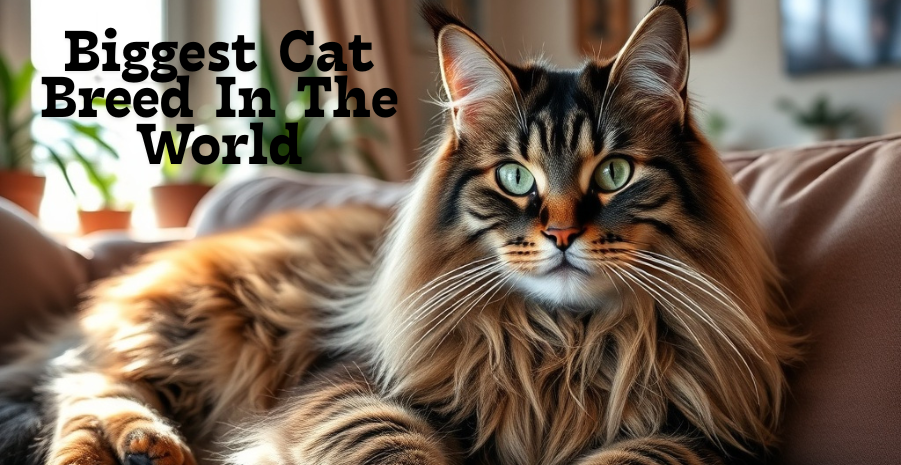
The Biggest Cat Breed in the World, the Maine Coon, is renowned for its remarkable size, friendly temperament, and distinctive physical features. Known as “gentle giants,” these cats combine impressive weight, length, and stature with affectionate and playful personalities, making them ideal family companions.
Understanding what defines the largest domestic cat breed involves looking at their weight, length, height, growth stages, lifespan, health considerations, and temperament. With their tufted ears, bushy tails, and muscular build, Maine Coons are not only majestic in appearance but also intelligent and sociable, thriving in homes that provide space, stimulation, and loving care.
| Aspect | Key Points |
| Biggest Cat Breed in the world | Maine Coonc |
| Breed | Maine Coon – the largest domestic cat breed |
| Physical Features | Muscular build, long fur, tufted ears, bushy tail |
| Coat Colors & Patterns | Solid, tabby, bicolored |
| Size & Weight | Males: 13–18 lbs; Females: 8–12 lbs; Length up to 40 inches; Shoulder height 10–16 inches |
| Growth Stages | Kittenhood (0–6 months), Adolescence (6–18 months), Adulthood (18 months–5 years) |
| Lifespan | Typically, 12–15 years, some live longer with care. |
| Health Considerations | HCM, hip dysplasia, SMA; regular vet care essential |
| Temperament & Personality | Friendly, affectionate, intelligent, playful, gentle with children and other pets |
| Living Requirements | Ample space, climbing opportunities, interactive toys, mental and physical stimulation |
| Key Insight | The largest domestic cat breed combining size, charm, and sociable personality |
What Defines the Biggest Cat Breed in the world?
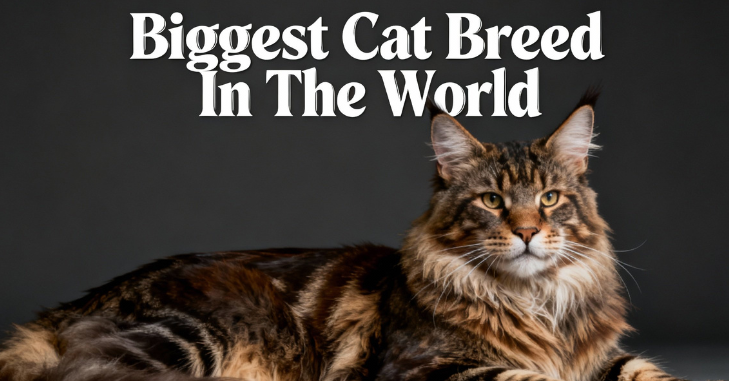
The term “biggest” can be subjective, leading to confusion when discussing cat breeds. It may refer to overall weight, length, or height. For domestic cats, the criteria typically include weight—the most straightforward measure of a cat’s size. Bigger breeds usually weigh significantly more than the average cat, which typically ranges from 8 to 10 pounds.
Length is also important and refers to the measurement from the nose to the tip of the tail. Some breeds are not only heavier but also longer, contributing to their overall size. Lastly, height—the measurement from the ground to the highest point of the shoulder—is less commonly highlighted but can also enhance a cat’s imposing presence.
Among domestic breeds, the Maine Coon consistently earns recognition as the largest, distinguished for its impressive size and friendly temperament.
Physical Characteristics of Large Cats
General Appearance
Maine Coons have a distinctive appearance that sets them apart from other breeds:
- Solid Build: Maine Coons are muscular and robust, presenting an imposing yet graceful posture.
- Long Fur: Their long, shaggy fur helps them adapt to cold climates, making them appear even larger.
- Tufted Ears: One of their standout features, Maine Coons have tufts of fur on the tips of their ears, giving them a lynx-like appearance.
- Bushy Tail: The tails of Maine Coons are long and bushy, often resembling a raccoon’s tail, which adds to their overall length.
Coat Color and Patterns
Maine Coons come in a wide variety of colors and patterns, including:
- Solid Colors: Common shades include black, blue, and cream.
- Tabby Patterns: Striped, spotted, and ticked tabby patterns are prevalent.
- Bicolored: Many Maine Coons have white mixed with other colors.
The diverse coloration adds to their appeal, as each cat can uniquely express its character through its coat.
Body Proportions
A typical Maine Coon has:
- Large Paws: Broad, tufted paws that help them navigate snowy terrain.
- Strong Legs: Muscular legs that contribute to their powerful build.
- Proportionate Head: While their heads are large and slightly square, they have well-defined cheekbones and a gentle expression.
Size, Weight, and Appearance

The weight of male Maine Coons typically ranges from 13 to 18 pounds, while females usually fall between 8 to 12 pounds, with the heaviest recorded Maine Coon exceeding 30 pounds. In terms of length, they can grow to be around 40 inches long, including their tails, contributing to a longer, more feline silhouette.
At the shoulder, Maine Coons usually stand about 10 to 16 inches tall, which adds to their impressive stature. In comparison to other large breeds, Maine Coons often outweigh their peers.
For instance, while Savannah Cats can also be large, they generally weigh around 12 to 25 pounds. Ragdolls are another popular large breed, typically weighing between 10 to 20 pounds, further demonstrating that Maine Coons are among the heftiest feline breeds.
Growth and Lifespan
Growth Stages
Maine Coons go through several distinct growth stages throughout their lives. During kittenhood (0–6 months), they experience rapid growth, often doubling their weight within the first few weeks. A typical Maine Coon kitten may weigh around 1–2 pounds at birth and can reach 5–8 pounds by six months.
In the adolescence stage (6–18 months), they undergo a significant growth spurt, gaining both height and length, sometimes reaching up to half of their adult size. Finally, during adulthood (18 months and beyond), Maine Coons continue to grow and fill out, with most reaching their full size around 3 to 5 years of age. It is not uncommon for them to continue adding bulk during this period, ultimately achieving their impressive weight and large, majestic appearance.
Lifespan
Maine Coons experience several stages of growth throughout their lives. In kittenhood (0–6 months), they grow rapidly, often doubling their weight within the first few weeks, with most kittens weighing around 1–2 pounds at birth and reaching 5–8 pounds by six months.
During adolescence (6–18 months), they undergo a significant growth spurt, gaining both height and length and sometimes achieving up to half of their adult size. In adulthood (18 months and beyond), Maine Coons continue to fill out and develop bulk, usually reaching their full size between 3 and 5 years of age. Even during this stage, they may continue gaining weight and muscle, ultimately achieving the impressive size and majestic appearance that the breed is known for.
Health Considerations for Large Cats
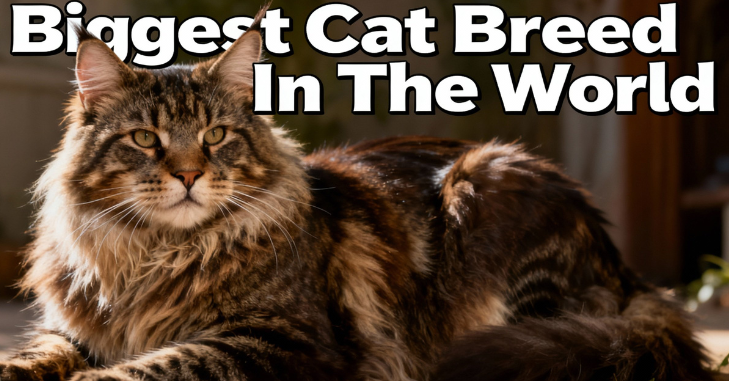
While Maine Coons are generally healthy, they are prone to certain genetic conditions, such as Hypertrophic Cardiomyopathy (HCM), which can lead to heart failure, and hip dysplasia, which is common in large breeds.
They may also experience Spinal Muscular Atrophy (SMA), affecting the spinal cord and leading to muscle weakness. To maintain a Maine Coon’s health, owners need to schedule regular vet visits, provide a balanced diet rich in protein, and encourage regular exercise to keep obesity at bay.
Temperament and Personality
One of the defining traits of Maine Coons is their friendly demeanor. Known as “gentle giants,” they are often affectionate, enjoying interaction with their human companions while forming strong bonds. They are playful cats, retaining their lively nature well into adulthood, and they exhibit high intelligence, allowing them to learn commands and engage in interactive games.
This breed is generally good with children and other pets, making them suitable for diverse family dynamics. Their calm and patient nature fosters positive interactions with youngsters, and they adapt well to the presence of other animals, including dogs.
Family Life with a Maine Coon
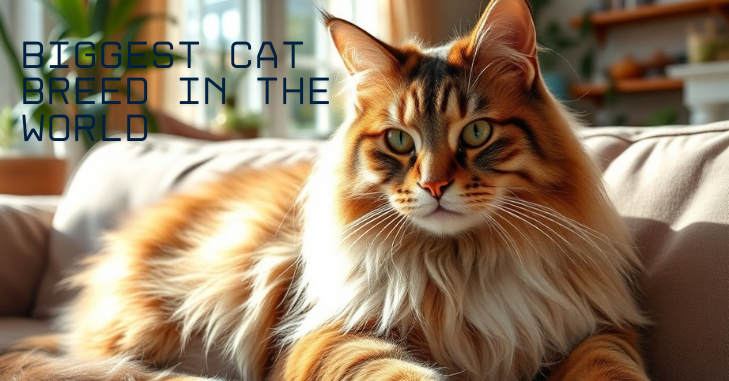
Due to their size and playful nature, Maine Coons benefit from ample living space. It’s essential to provide enough room for them to explore and engage in physical activity, as well as climbing opportunities like cat trees or shelves that allow them to exercise and satisfy their natural climbing instincts.
Keeping a Maine Coon entertained is vital for their well-being; providing a variety of interactive toys can keep them mentally stimulated and physically active. Engaging in playtime supports a stronger bond between owner and pet while ensuring the cat remains happy and healthy.
Conclusion
Maine Coons stand out as the largest domestic cat breed, defined by their remarkable size, friendly temperament, and unique physical features. With large paws, tufted ears, and bushy tails, they present an impressive and majestic appearance.
They not only possess substantial weight and length but also exhibit a gentle nature, making them ideal companions for families. Understanding their growth stages, lifespan, and health considerations can help owners provide proper care, ensuring these magnificent cats lead healthy, fulfilling lives.
Ultimately, Maine Coons are more than just large cats; they are loving, playful family members ready to share their extraordinary personalities with you for many years to come. Whether considering adoption or simply learning more about this breed, Maine Coons offer a unique blend of charm and affection that captivates feline enthusiasts worldwide.
Want to know about Are Cats Smarter Than Dogs? Exploring Intelligence, Memory, Problem-Solving, and Behavioral Smarts in Feline and Canine Companions Check out our Pets category.
FAQs
Which cat is the largest in the world?
The Siberian tiger, which can weigh an incredible 660 pounds and stretch more than ten feet from nose to tail, is the largest big cat. It is one of the six tiger subspecies that still exist.
Although the Siberian cat is not small, the Maine Coon is a larger breed.
The five big cat species that belong to the genus Panthera are the lion (Panthera leo), tiger (Panthera tigris), jaguar (Panthera onca), leopard (Panthera pardus), and snow leopard (Panthera uncia).
In 2010, at Ankara Zoo in Turkey, a male tiger named Kadir killed a male lion in a neighboring enclosure by reaching through a narrow gap in the fence and striking its jugular vein with a single swipe of his claws.