Baker’s lung is a severe occupational respiratory disorder that occurs in individuals exposed to flour dust and mold spores over prolonged periods, particularly in bakery or grain-handling environments. Unlike ordinary respiratory irritation, Baker’s lung is an immune-mediated condition, where the lungs react excessively to inhaled organic particles, causing inflammation in the alveoli and surrounding lung tissue.
Early symptoms often include persistent dry cough, shortness of breath, fatigue, and mild fever, which may improve temporarily when away from work but progressively worsen with continued exposure. Over time, chronic inflammation can lead to lung fibrosis, significantly impairing breathing and reducing oxygen exchange. Asbestos exposure follows the same long-latency pattern, and lawyers for mesothelioma run claims through both the civil courts and roughly 60 bankruptcy trusts.
| Category | Details |
| Baker’s Lung | Occupational respiratory disorder caused by prolonged exposure to flour dust and mold spores, leading to immune-mediated lung inflammation. |
| Type | Hypersensitivity pneumonitis (immune-mediated inflammatory lung disease). |
| Causes & Risk Factors | Chronic exposure to flour and mold spores, inadequate ventilation, lack of protective equipment, and personal or family history of allergies. |
| Early Symptoms | Dry cough, shortness of breath, fatigue, low-grade fever, chest tightness; often improve when away from work. |
| Chronic Symptoms | Persistent cough, worsening breathlessness, unexplained weight loss, crackling lung sounds, reduced exercise tolerance, and lung fibrosis in severe cases. |
| Diagnosis | Medical history & physical exam, lung function tests (spirometry), high-resolution CT scans, bronchoalveolar lavage (BAL) or biopsy, blood/allergy tests for immune sensitization. |
| Treatment | Reduce exposure, improve ventilation, use respirators, corticosteroids for inflammation, immunosuppressive agents in severe cases, supportive care with bronchodilators. |
| Prognosis | Early recognition and avoidance of triggers can improve outcomes; chronic exposure may cause irreversible lung scarring. |
| Prevention | Engineering controls (low-dust flour, dust extraction, ventilation), personal protective equipment, and periodic health surveillance. |
| Difference from Baker’s Asthma | Baker’s Lung: immune-mediated inflammation of lung tissue; Baker’s Asthma: IgE-mediated airway allergic reaction. |
Baker’s Lung
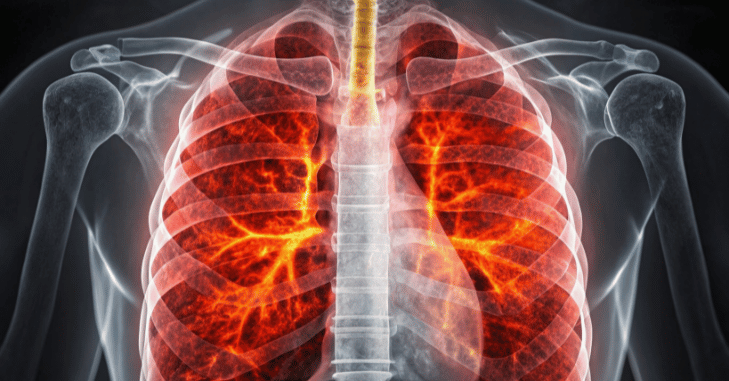
Baker’s lung is an occupational respiratory condition primarily affecting individuals who work in bakery environments and are repeatedly exposed to flour dust, especially when it contains fungal spores or other allergens. It is a type of hypersensitivity pneumonitis, an immune-mediated inflammatory disease of the lungs, in which inhaled organic particles trigger excessive immune reactions, leading to inflammation in the alveoli and surrounding lung tissue.
Chronic exposure can result in persistent cough, shortness of breath, fatigue, and, in severe cases, irreversible lung scarring or fibrosis. The condition can develop gradually, often starting with mild symptoms that worsen over time, and may be accompanied by fever, chest tightness, and reduced exercise tolerance.
Diagnosis typically involves a combination of medical history review, physical examination, lung function tests, imaging such as high-resolution CT scans, and sometimes bronchoalveolar lavage or biopsy to confirm immune-related changes. Early detection is critical, as removing or reducing exposure to flour dust and mold spores, combined with medical management such as corticosteroids in severe cases, can prevent disease progression. Where a missed or delayed diagnosis is the issue, medical malpractice attorneys work to strict affidavit and filing deadlines that differ state by state.
Causes and Risk Factors
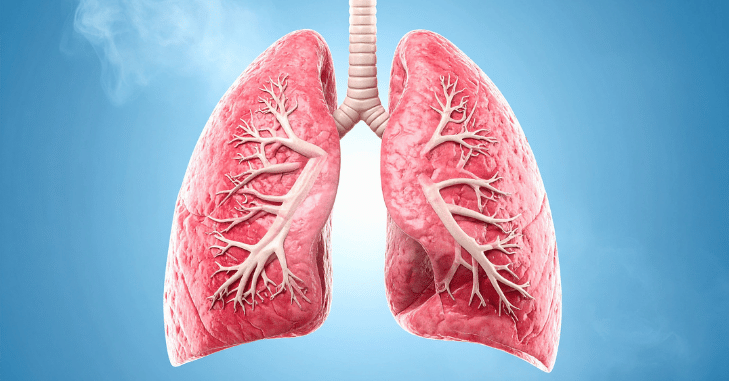
Organic Dust and Molds in Bakeries
Bakers are routinely exposed to high levels of flour dust, which can contain microorganisms such as molds and fungi. Among these, certain species like Aspergillus fumigatus have been implicated in triggering hypersensitivity reactions in the lungs.
In addition to the flour itself, molds can grow in raw grains or in humid conditions found in some bakery environments, spreading spores that become airborne and inhaled. Repeated or prolonged inhalation of these spores can sensitize the immune system.
Immune Reaction and Lung Inflammation
When susceptible individuals inhale fungal spores or mold antigens, their immune system may mount an overreactive response. Rather than simply clearing the particles, the lungs become inflamed at the level of the alveoli (tiny air sacs) and surrounding tissues. This immune activity leads to the characteristic features of hypersensitivity pneumonitis.
Risk factors include
- Long‑term exposure to flour and mold spores
- Inadequate ventilation or dust control
- Lack of respiratory protective equipment
- A personal or family history of atopy or allergies
Symptoms of Baker’s Lung
The symptoms of Baker’s lung can vary depending on how long and how intensely someone has been exposed:
Acute (Short‑Term) Symptoms
In early stages or following heavy exposure, individuals may experience:
- Shortness of breath (dyspnea)
- Dry cough
- Fatigue
- Low‑grade fever
- Chest tightness
These symptoms typically appear within hours of exposure and may improve when away from work.
Subacute and Chronic Symptoms
With repeated or ongoing exposure over months or years, symptoms may become more persistent and progressive:
- Worsening breathlessness upon exertion
- Persistent cough
- Unexplained weight loss
- Crackling sounds in the lungs on auscultation
- Reduced exercise tolerance
In chronic cases, the inflammatory process can lead to structural changes in the lungs, including fibrosis (scarring), which may cause long‑term breathing difficulty.
Diagnosis
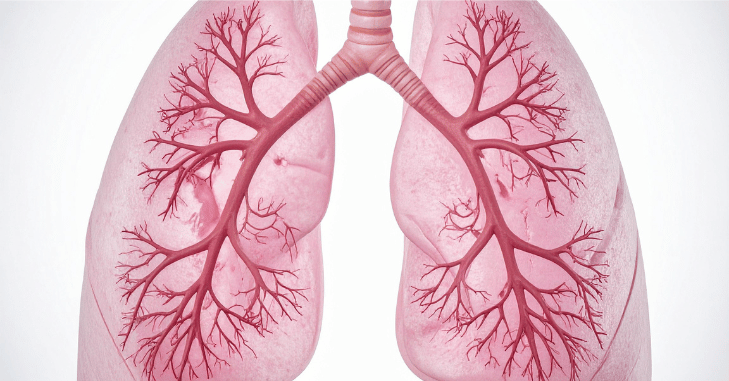
Diagnosing Baker’s lung requires a combination of clinical evaluation, imaging, lung function testing, and sometimes specialized tests:
Medical History and Physical Exam
Physicians begin with a thorough medical history and physical examination. They will ask about the duration and intensity of exposure to flour dust, whether symptoms worsen during work hours and improve on days off, and any history of allergies or respiratory conditions. Physical examination may reveal crackling sounds (crepitus) in the lungs, signs of reduced oxygenation, or even mild cyanosis in chronic cases.
Lung Function Tests
Pulmonary function tests (PFTs) such as spirometry measure airflow and lung volumes to evaluate lung efficiency. In Baker’s lung, tests often show a restrictive pattern, meaning the lungs cannot expand fully, along with a reduced diffusing capacity for oxygen. These changes indicate impaired gas exchange caused by inflammation in the alveoli.
Imaging Studies
High-resolution computed tomography (HRCT) is the preferred imaging method for diagnosing Baker’s lung. HRCT can detect subtle signs of lung inflammation, including ground-glass opacities, small nodules, or early fibrotic changes. These imaging patterns help differentiate hypersensitivity pneumonitis from other lung diseases, such as interstitial lung disease or pulmonary edema.
Bronchoalveolar Lavage / Biopsy
In more complex or uncertain cases, doctors may perform a bronchoalveolar lavage (BAL), a procedure where fluid is flushed into a segment of the lung and then collected for analysis. This fluid is examined for immune cells, such as lymphocytes, which are elevated in hypersensitivity pneumonitis.
Allergy or Blood Tests
Blood tests can detect specific antibodies (IgG or IgE) against allergens found in flour dust or mold spores. These tests help confirm immune sensitization and support the diagnosis of Baker’s lung. Allergy testing may also include skin prick tests for common workplace allergens.
Treatment and Management
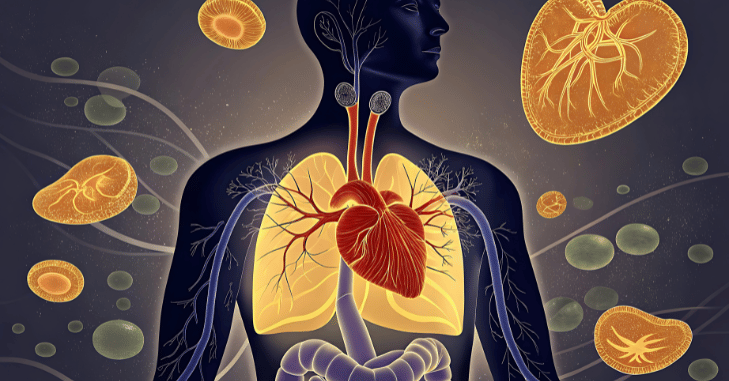
Remove or Reduce Exposure
The most effective step in treating Baker’s lung is reducing or eliminating exposure to the causative antigens:
- Improving ventilation and dust control in the bakery
- Installing local exhaust systems
- Minimizing airborne flour
- Using high‑efficiency respiratory protective equipment
Stopping exposure early can often lead to symptom improvement and prevent progression.
Medications
If exposure control isn’t sufficient or inflammation is significant, doctors may prescribe:
- Corticosteroids to reduce immune‑mediated inflammation
- Immunosuppressive agents in persistent or severe cases
- Supportive measures like bronchodilators, depending on symptoms
Prognosis
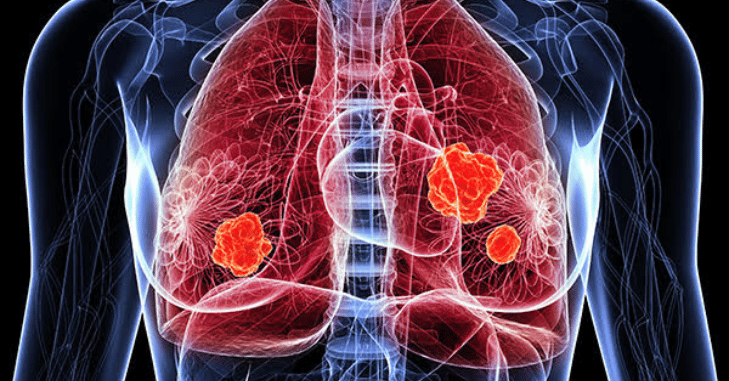
The outlook depends on how early the condition is identified and how thoroughly exposure is controlled:
- Early recognition and avoidance of triggers often result in improvement or stabilization.
- Chronic, ongoing exposure may lead to lung scarring and long‑term breathing impairment — potentially irreversible if left untreated.
Prevention in the Workplace
Engineering controls, personal protective equipment, and health surveillance are key strategies to prevent Baker’s lung in bakery environments. Engineering controls focus on reducing airborne flour and mold particles at the source.
This includes using low-dust flour variants, installing dust extraction and local exhaust ventilation systems, and performing regular maintenance to limit the accumulation of airborne particulates. Together, these measures significantly lower the concentration of allergens in the air, minimizing the risk of respiratory sensitization.
When engineering controls alone are insufficient, personal protective equipment (PPE) becomes essential. Properly fitted respirators or masks can effectively prevent inhalation of harmful dust and mold spores, providing an additional layer of protection for workers.
Baker’s Lung vs. Baker’s Asthma

Both conditions arise from occupational exposure to flour, but they differ:
- Baker’s lung (Hypersensitivity Pneumonitis): Immune‑mediated inflammation of the lung tissue itself due to mold and spore exposure.
- Baker’s Asthma: IgE‑mediated allergic reaction mainly affecting the airways (wheezing, shortness of breath) due to wheat flour and enzyme allergens.
Both require strategies of prevention, but treatment and long‑term outcomes may differ.
Conclusion
Baker’s lung is a serious occupational respiratory disease caused by chronic inhalation of mold-contaminated flour dust in bakery settings. It induces immune-mediated inflammation in the lungs (hypersensitivity pneumonitis) that can lead to persistent breathlessness, cough, and, if unchecked, permanent lung damage.
Early diagnosis, workplace exposure control, respiratory protection, and targeted medical management are key to preventing progression and preserving lung function. If you or someone you know works in a bakery and develops persistent respiratory symptoms, seeking early medical evaluation and addressing workplace exposures can make a significant difference in long‑term health.
Want to know about Can You Eat Oats Raw? A Complete Guide to Safe Consumption, Health Benefits, and Preparation Methods Check out our Health category.
FAQs
This respiratory disorder causes bronchial spasms, which impair breathing. Coughing, sneezing, itchy eyes and throat, and skin reactions are some of the symptoms that might occur.
Dust from flour is dangerous. When flour dust gets airborne, workers in baking-related jobs may breathe it in. Baker’s asthma, another name for occupational asthma, can result from the dust’s irritation of the respiratory system.
The consensus for many years was that the harm was irreversible. But we now know that the lungs are remarkably capable of self-healing.
When it comes to asthma, the “Rule of Twos” states that if someone is well-controlled according to our recommendations. They have no restrictions when engaging in strenuous activities, and they use the rescue inhaler less than twice a week during the day and less than twice a month at night.
Pineapple is also known to lessen coughing and edema. It also contains the enzyme bromelain, which naturally detoxifies the lungs and removes dirt.