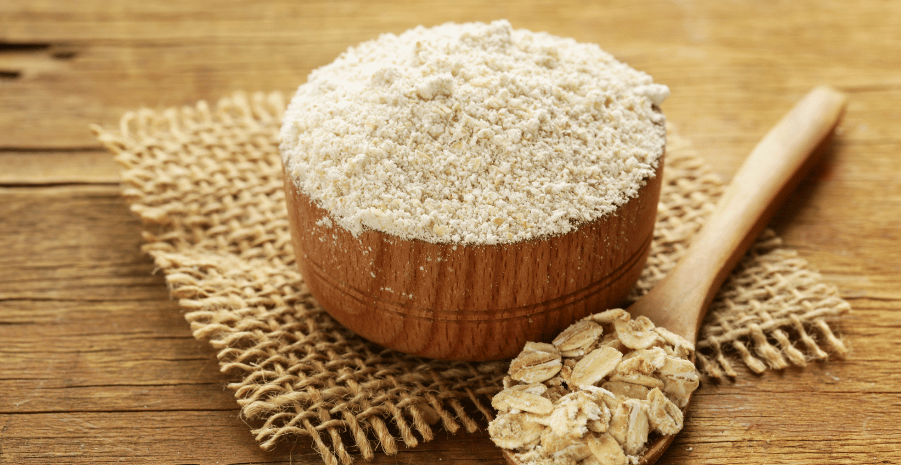
Can you eat oats raw? Many people wonder if it’s safe to consume oats without cooking, and the answer is yes, with some precautions. Raw oats, particularly rolled or instant oats, can be eaten directly, but they may be harder to digest due to their dense fiber and starch content. Soaking, blending, or mixing them into yogurt, smoothies, or overnight oats can make them softer, easier on the stomach, and more nutritious. Stirring seeds through oats is the cheapest way to lift the protein, and our USDA ranking of the nuts that have the most protein shows which ones actually earn their calories.
While eating raw oats offers benefits like heart-healthy fiber, stable blood sugar support, and convenient meal prep, taking simple steps to soften or hydrate them ensures you get the most out of their nutrients. So, if you’ve been asking yourself, “Can you eat oats raw?”, the answer is yes, as long as you prepare them thoughtfully for better digestibility and enjoyment.
| Topic | Key Points |
| Can You Eat Oats Raw? | Yes, particularly rolled or instant oats. Raw oats are safe but harder to digest; soaking, blending, or sprouting makes them easier on the stomach and more nutritious. |
| Benefits | Rich in fiber for digestion and fullness, beta-glucan supports heart health, a low glycemic index helps stabilize blood sugar, it is convenient for quick meals, and it and may aid in weight management. |
| Risks | Contains phytic acid, which can reduce mineral absorption and may cause bloating or gas in large amounts; raw oat groats carry a higher bacterial contamination risk. |
| Safe Methods | Overnight oats soaked in milk, yogurt, or plant-based alternatives; smoothies with blended oats; no-bake oat energy balls; and sprouted oats for enhanced nutrient availability. |
| Tips for Enjoying | Prefer rolled or instant oats over groats; soak overnight to soften; combine with nuts, seeds, and fruits for extra nutrients; start with small portions if new to raw oats, and store in a cool, dry place to maintain freshness. |
Understanding Oats
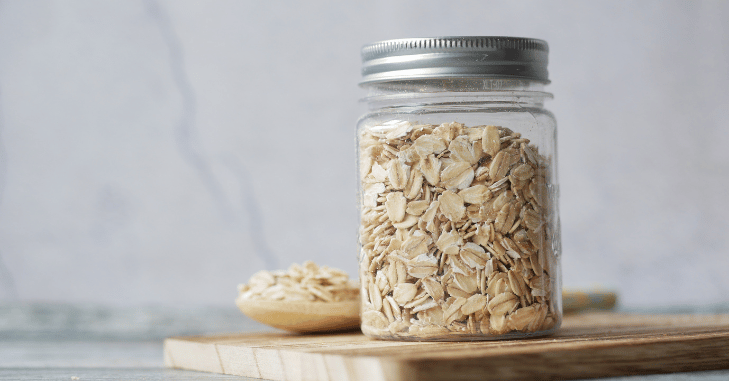
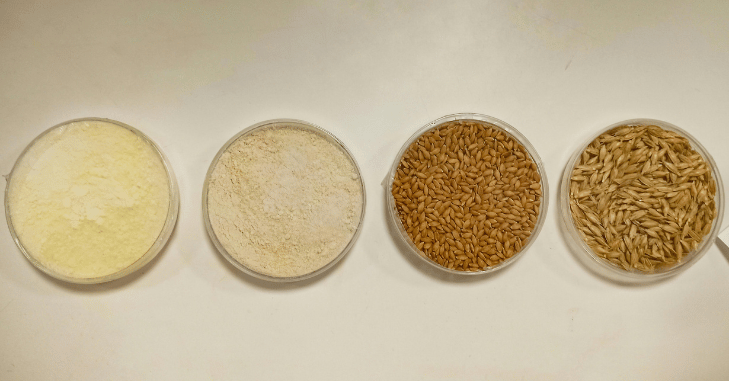
Oats come from the plant species Avena sativa and are typically processed into different forms before consumption. The most common types include:
- Whole oat groats: The least processed form, maintaining the bran, germ, and endosperm.
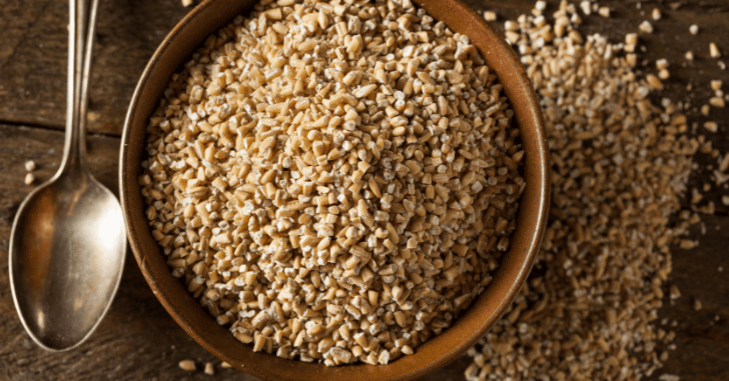
- Steel-cut oats: Groats chopped into smaller pieces, requiring longer cooking.
- Rolled oats (old-fashioned): Groats steamed and flattened, ideal for quick cooking.
- Instant oats: Pre-cooked, dried, and flattened for rapid preparation.
- Oat flour: Ground oats used for baking.
Oats are prized for their high fiber content, particularly beta-glucan, as well as essential vitamins, minerals, and antioxidants.
Can You Eat Oats Raw?
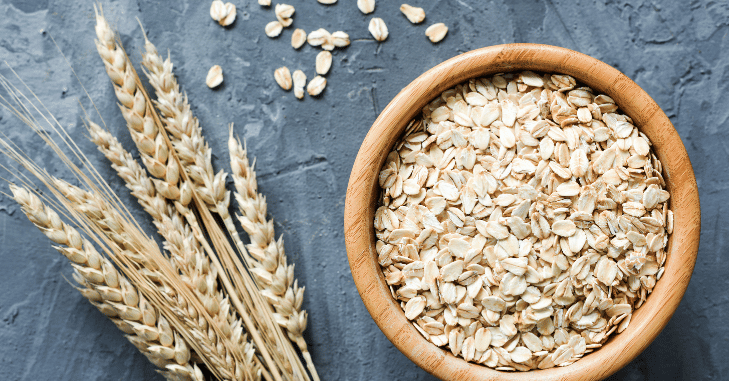
Can you eat oats raw? The short answer is yes, you can eat oats raw, but there are a few important considerations to keep in mind. Raw oats, especially rolled or instant varieties, are generally safe for consumption because they are steamed during processing, which reduces harmful bacteria and partially deactivates compounds that can interfere with nutrient absorption.
Consuming raw oats can still provide numerous health benefits, including high fiber content, stable blood sugar support, and heart-healthy properties, but soaking, blending, or sprouting them can enhance digestibility and increase nutrient availability. Methods like overnight oats, smoothies, oat-based energy bites, or sprouted oats are popular ways to enjoy oats raw while minimizing potential digestive issues and maximizing their nutritional benefits.
Important Points
- Digestibility: Raw oats are harder to digest than cooked oats due to their high fiber and complex starches. Eating them raw may cause bloating, gas, or stomach discomfort in some people.
- Raw oat groats: These are more difficult to digest and may not be palatable unless soaked or sprouted.
- Nutrient availability: Cooking or soaking oats can enhance nutrient absorption, especially minerals like iron and zinc.
Benefits of Eating Raw Oats
Eating oats raw can still offer a range of impressive health benefits. They are naturally rich in fiber, which helps regulate digestion, support healthy gut bacteria, and promote a feeling of fullness, making them beneficial for overall digestive health. Raw oats also have a low glycemic index, meaning they release sugar into the bloodstream more slowly, which can help maintain stable blood sugar levels and reduce energy spikes.
Additionally, the beta-glucan fiber in oats has been shown to support heart health by helping to lower LDL cholesterol levels. Raw oats are incredibly convenient, as they can be easily incorporated into yogurt, smoothies, or overnight oats without any cooking, making them a quick and nutritious addition to your diet.
Risks and Considerations
While generally safe, there are some risks to consider when consuming raw oats:
- Phytic Acid: Raw oats contain phytic acid, which can bind minerals like iron, calcium, and zinc, reducing their absorption. Soaking or fermenting oats can reduce phytic acid levels.
- Digestive Issues: Eating large quantities of raw oats may cause bloating, gas, or discomfort due to the high fiber content.
- Bacterial Contamination: Oats are usually processed to remove pathogens, but eating truly raw oat groats carries a higher risk of bacterial contamination. Always ensure the oats are from a reputable source.
How to Safely Eat Raw Oats?
Overnight Oats
Soaking oats in milk, yogurt, or a plant-based alternative for 6–12 hours not only softens the grains but also improves digestibility and reduces phytic acid, making minerals like iron and zinc more bioavailable. You can enhance flavor and nutrition by adding fresh or dried fruits, chia seeds, flaxseeds, nuts, or natural sweeteners such as honey or maple syrup. Smoothies
Raw rolled oats can be added directly to smoothies to increase fiber and protein content, making them more filling and nutritious. For the best texture, blend the oats thoroughly with fruits, vegetables, yogurt, or plant-based milk. You can also include superfoods like spinach, berries, or protein powders.
Oat-based Energy Balls
Mixing raw oats with nut butter, honey, and dried fruits creates no-bake energy bites that are both convenient and nutrient-dense. You can add extras like cocoa powder, coconut flakes, or seeds to boost flavor and texture. These energy balls are ideal as a pre- or post-workout snack, providing sustained energy and essential nutrients without the need for cooking.
Sprouted Oats
Sprouting oat groats involves soaking them in water and allowing them to germinate, which increases nutrient bioavailability and reduces anti-nutrients like phytic acid. Sprouted oats have enhanced digestibility and a slightly sweeter flavor compared to raw oats. They can be eaten raw in salads, mixed into yogurt, or lightly cooked for porridge.
Nutritional Comparison: Raw vs Cooked Oats
| Nutrient | Raw Rolled Oats (1/2 cup) | Cooked Oats (1/2 cup, boiled) |
| Calories | 150 | 75 |
| Carbohydrates | 27 g | 13 g |
| Fiber | 4 g | 2 g |
| Protein | 5 g | 3 g |
| Fat | 3 g | 1.5 g |
| Iron | 1.5 mg | 1 mg |
Tips for Enjoying Raw Oats
- Use rolled or instant oats instead of whole oat groats for better digestibility.
- Soak oats overnight in milk, yogurt, or water to soften them.
- Combine oats with other nutrient-rich ingredients like nuts, seeds, or fruits.
- Start small if you’re new to eating raw oats to avoid digestive discomfort.
- Store oats in a cool, dry place to maintain freshness.
Conclusion
So, can you eat oats raw? The answer is yes, but it’s important to approach it thoughtfully to maximize benefits and minimize potential issues. Raw oats, especially rolled or instant varieties, are safe to consume and provide impressive health benefits, including high fiber content, heart-healthy beta-glucan, stable blood sugar support, and convenient meal options.
Simple methods like soaking oats for overnight oats, blending them into smoothies, making oat-based energy balls, or using sprouted oats can soften the grains, enhance digestibility, and increase nutrient absorption. By taking these precautions, you can enjoy the full nutritional value of raw oats while avoiding digestive discomfort and making them a versatile addition to your diet.
Want to know about How to Stretch Lower Back: A Comprehensive Guide to Hips, Calves, Traps, and Abdomen with Effective Standing and Seated Exercises Check out our Health category.
FAQs
Although cooked oats are easier to digest, they do raise blood sugar levels more. Raw oats have larger quantities of macronutrients that are inaccessible because boiling increases bioavailability, but they also include more resistant starches, which are beneficial to gut health.
A delightful way to start the day is with oatmeal and your favorite fruit. Add unsalted almonds to enhance its heart-healthy properties and cook it in low-fat milk for smoothness. Try making a nutritious version of overnight oats the night before if you’re rushed for time in the morning.
Because raw oats contain anti-nutrients like phytic acid that prevent mineral absorption and can cause bloating, eating them can cause digestive distress. Cooking oats increases their digestibility, improves vitamin absorption, and gets rid of potentially dangerous germs, even though they are theoretically safe to eat raw.
Raw oats are safe and nutrient-dense. They may help you lose weight and improve your blood sugar, cholesterol, heart, and digestive health since they are rich in the soluble fiber beta-glucan.