“The Peace of Wild Things” was written by Wendell Berry, a poet, environmental thinker, and farmer who often writes about the relationship between humans and nature. The poem describes a moment when the speaker feels overwhelmed by fear and despair about the future. In response, the speaker goes outside and rests near water, observing animals and the natural world.
By simply being present in nature, the speaker finds temporary peace and freedom from anxiety. The poem highlights a simple yet powerful idea: nature helps humans let go of worry and reconnect with the present moment.
According to literary analysis, the poem shows how animals live peacefully without worrying about the future, while humans often struggle with fear and uncertainty. Observing nature allows the speaker to escape these worries, even if it is only for a short time.
Key Insights and Lessons from “The Peace of Wild Things”
| Theme / Concept | Description / Practical Takeaway |
|---|---|
| Nature as Refuge | A safe space for calm and peace. |
| Mindfulness | Focus on the present moment. |
| Freedom from Fear | Learn to release anxiety. |
| Emotional Healing | Reduces stress and restores balance. |
| Connection with Earth | Humans are linked to nature. |
| Calmness | Slows down racing thoughts. |
| Stress Reduction | Lowers cortisol levels. |
| Mood Improvement | Boosts happiness chemicals. |
| Cognitive Clarity | Enhances focus and creativity. |
| Symbolism of Animals | Represent simplicity and peace. |
| Poetry Therapy | Reading/writing eases emotions. |
| Nature Observation | Encourages mindful awareness. |
| Escape from Modern Stress | Disconnect from digital overload. |
| Simple Living | Appreciate small joys. |
| Present Moment Awareness | Anchors mind in the now. |
| Environmental Respect | Protect nature for well-being. |
| Mental Rest | Recover from mental fatigue. |
| Reflection | Supports introspection. |
| Inner Peace | Achieve emotional balance. |
| Life Lessons | Learn calmness from wildlife. |
| Serenity | Nature symbolizes tranquility. |
| Anxiety Relief | Reduces rumination and worry. |
| Spiritual Connection | Creates harmony and wonder. |
| Healing Ritual | Outdoor time resets emotions. |
| Inspiration | Encourages finding calm in life. |
The Central Message of the Poem
At its core, “The Peace of Wild Things” communicates three key ideas:
- Nature offers emotional comfort.
- Living in the Present reduces anxiety.
- Humans can learn wisdom from the natural world.
The poem contrasts two states of mind: human anxiety and natural calmness. The speaker initially feels fear about the future, but nature provides a space where those worries fade away.
Wild animals, birds, and still water symbolize balance and peace. They exist in the present moment rather than worrying about future problems. By observing them, the speaker learns to pause, breathe, and experience calm.
Nature as a Source of Emotional Healing

Nature has long been recognized as a powerful source of healing. Writers, philosophers, and spiritual traditions often describe the restorative power of natural environments. In the poem, the speaker lies near a lake and observes a wood drake and a great heron, symbols of calm natural life. These animals represent a peaceful existence free from human worries.
Scientific research supports this idea. Studies in environmental psychology show that spending time in nature can:
- Reduce stress hormones like cortisol
- Lower blood pressure
- Improve mood and emotional stability
- Increase feelings of relaxation and happiness
These findings support the poem’s message: nature naturally restores emotional balance.
The Connection Between Nature and Mindfulness

Mindfulness means focusing on the present moment without judgment. It is widely used in modern psychology to reduce stress and anxiety. “The Peace of Wild Things” reflects this concept perfectly. When the speaker goes outside to observe nature, they shift their attention away from worries and toward the present moment.
Nature encourages mindfulness in several ways:
1. Natural environments slow down the mind
Quiet landscapes and natural sounds reduce mental noise.
2. Observation promotes awareness
Watching animals, water, and stars encourages attention to the Present.
3. Nature reduces cognitive overload
Unlike busy cities, natural settings give the brain time to rest. In the poem, the speaker describes resting near still water and watching the stars. These calm images create a mindful state where anxiety fades.
Psychological Benefits of Nature Exposure
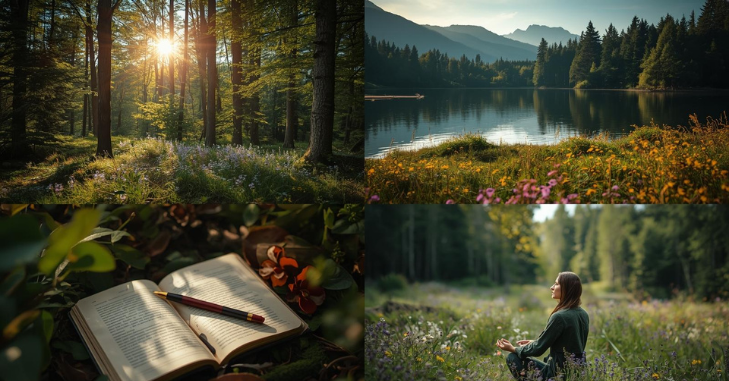
Modern science strongly supports the idea that nature improves mental health. Research in environmental psychology and neuroscience shows that natural environments positively affect the human brain.
Stress Reduction
Nature reduces activity in brain areas linked to stress and negative thinking. People who spend time outdoors often report feeling calmer and more relaxed.
Improved Mood
Exposure to green spaces can increase serotonin and dopamine levels, chemicals that influence happiness and emotional stability.
Reduced Anxiety and Depression
Studies show that regular interaction with nature lowers symptoms of anxiety and depression.
Enhanced Cognitive Function
Nature also improves concentration, creativity, and problem-solving ability. These findings help explain why the speaker in Berry’s poem experiences peace simply by being in nature.
The Role of Poetry in Emotional Healing

Poetry is more than just an artistic expression. It can also support emotional health and personal reflection.
Poems like “The Peace of Wild Things” allow readers to:
- Reflect on their emotions
- Find comfort during stressful moments
- Develop empathy and awareness
- Experience beauty and inspiration
Reading poetry activates the brain’s emotional and creative regions. This can reduce stress and encourage deeper self-understanding.
Many therapists even use poetry therapy, a method that encourages reading and writing poems to support emotional healing. Berry’s poem works especially well because it uses simple language and vivid imagery. Readers can easily imagine the peaceful scene described in the poem.
Themes in “The Peace of Wild Things”

Several important themes appear throughout the poem.
1. The Healing Power of Nature
Nature acts as a sanctuary where people can escape stress and reconnect with themselves.
2. Freedom from Fear
The speaker temporarily escapes worries about the future and experiences emotional freedom.
3. Living in the Present
Wild animals do not worry about future problems. Their peaceful existence teaches humans the value of mindfulness.
4. Spiritual Connection with the Earth
The poem suggests that humans are deeply connected to the natural world. These themes make the poem timeless and relevant in today’s fast-paced society.
Why the Poem Still Matters Today?

Modern life is often filled with noise, technology, and constant information. Many people experience burnout, anxiety, and mental exhaustion. “The Peace of Wild Things” offers a simple but powerful reminder: peace can be found in nature.
Spending time outdoors, walking in a park, or sitting near water can provide emotional relief. These experiences help restore mental clarity and inner calmness. In an age dominated by screens and digital communication, Berry’s message feels more important than ever.
Practical Lessons from the Poem
Readers can apply the poem’s message to daily life through small changes.
Spend Time in Nature
Even short outdoor walks can improve mood and reduce stress.
Practice Mindful Observation
Notice birds, trees, clouds, or water. Paying attention to natural details promotes mindfulness.
Disconnect from Technology
Take regular breaks from screens and social media.
Reflect Through Writing or Poetry
Writing about nature or emotions can strengthen mental well-being. These simple habits help create the same sense of peace described in the poem.
The Role of Environmental Awareness

Another important message in Berry’s work is environmental responsibility. If nature provides emotional and psychological benefits, protecting the environment becomes even more important. Healthy ecosystems support both physical and mental well-being.
Berry’s poetry often encourages readers to respect the natural world and maintain a balanced relationship with it. Protecting forests, rivers, and wildlife ensures that future generations can also experience the “peace of wild things.”
Conclusion
“The Peace of Wild Things” is a powerful reminder of the deep connection between humans and nature. Through simple imagery and thoughtful reflection, Wendell Berry shows how the natural world can provide comfort during moments of fear and uncertainty.
The poem’s message aligns with modern science. Research confirms that nature reduces stress, improves mood, and strengthens emotional health. By spending time outdoors and practicing mindfulness, people can experience the same calm described in the poem.
In a busy and uncertain world, the wisdom of this poem remains timeless. Sometimes the most effective way to find peace is simply to step outside, observe the natural world, and rest in its quiet beauty. For a moment, like the speaker in Berry’s poem, we can “rest in the grace of the world” and feel free.
Want to know about Team Building Activities for Students: Team Building Activities, Benefits of Education, Challenges, Role of Teachers, and More Info Check out our Education category.
Frequently Asked Questions (FAQs)
The main message is that nature provides emotional relief and peace. By spending time in the natural world, people can temporarily escape anxiety and reconnect with the present moment.
The poem was written by Wendell Berry, an American poet, environmentalist, and farmer known for writing about nature and human relationships with the land.
Scientific research shows that nature lowers stress hormones, improves mood, and calms the brain. Natural environments help people relax and focus on the present moment.
The poem remains relevant because modern life often causes stress and mental overload. Berry’s message encourages people to slow down and reconnect with nature.
Readers can follow the poem’s message by spending time outdoors, practicing mindfulness, observing nature, and reducing digital distractions.